
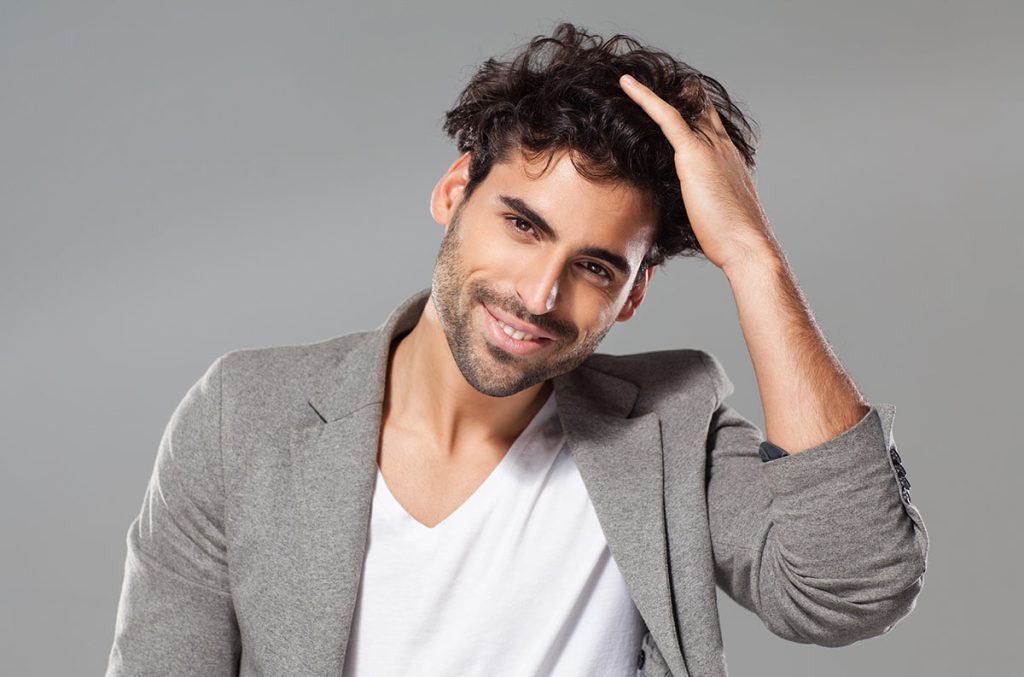
Hair restoration is entering a new era of not only surgical precision, but also biological innovation. Advances in regenerative medicine are reshaping how we understand, treat, and manage hair loss. Rather than relying solely on traditional transplant methods, modern hair restoration increasingly focuses on stimulating dormant follicles, improving scalp health, and optimizing the environment for long-term growth. This shift reflects a broader movement in medicine toward harnessing the body’s own regenerative capacity to achieve more natural, sustainable results.
As patients become more informed, expectations have evolved. Today, individuals seeking hair restoration are often less concerned with simply filling in thinning areas and more focused on achieving density that looks authentic, ages naturally, and lasts. Regenerative medicine supports this approach by addressing hair loss as a dynamic process rather than a static problem. By improving follicle vitality and scalp health, regenerative therapies help bridge the gap between prevention, restoration, and maintenance, creating a more comprehensive and forward-thinking model of care.
La Jolla Plastic Surgery & Dermatology™ approaches hair restoration through this modern regenerative lens. Led by America’s First Triple Board-Certified Hair Transplant Plastic Surgeon, Dr. Richard Chaffoo, and Board-Certified Dermatologist Dr. Susan Stuart, our practice has become One of the Top Hair Loss Clinics in the World due to our advanced surgical techniques and biologically driven therapies that reflect the future of hair restoration. Dr. Chaffoo is internationally recognized for his work in regenerative plastic surgery and hair restoration; he lectures globally on how regenerative medicine continues to redefine outcomes in this field. Dr. Stuart sees all of our female patients, and her expertise has positioned her as the media dermatology expert for several publications, including Cosmopolitan and the Huffington Post.
If you are interested in learning how regenerative medicine can enhance your hair restoration, submit our online contact form or call the location nearest you to schedule a consultation:
Contents
- 1 About Regenerative Medicine and Modern Hair Restoration
- 2 How Regenerative Medicine Relates to Modern Hair Restoration
- 3 Dr. Chaffoo’s Global Leadership in Regenerative Hair Restoration
- 4 A Collaborative Model Between Plastic Surgery and Dermatology
- 5 Regenerative Therapies Common in Hair Restoration
- 6 Ideal Candidates for Regenerative Hair Restoration
- 7 Benefits of a Regenerative Approach to Hair Restoration
- 8 Personal Consultation and Treatment Planning
- 9 Cost Considerations for Regenerative Hair Restoration in San Diego
- 10 FAQ
- 10.1 What makes regenerative hair restoration different from traditional methods?
- 10.2 Can regenerative medicine replace hair transplantation?
- 10.3 How long do regenerative treatments take to work?
- 10.4 Is regenerative hair restoration suitable for women?
- 10.5 Are the regenerative medicine hair restoration results permanent?
- 10.6 Can I combine regenerative treatments with surgery?
- 10.7 Is there downtime after a regenerative medicine hair restoration treatment?
- 11 References
About Regenerative Medicine and Modern Hair Restoration
Regenerative medicine is a branch of medicine that focuses on repairing, restoring, or enhancing tissue function by stimulating the body’s natural healing mechanisms. (1) In hair restoration, this means improving follicle health, increasing blood supply to the scalp, and supporting the biological signals responsible for hair growth cycles. Rather than replacing hair alone, regenerative medicine aims to improve the environment in which hair grows. (2)
Hair follicles are living structures that respond to hormonal shifts, inflammation, circulation, and cellular signaling. When these symptoms become disrupted, follicles can miniaturize, slow production, or enter prolonged resting phases. Regenerative therapies work to counteract these processes. (3) These therapies achieve this by introducing growth factors, bioactive proteins, and cellular messengers that encourage follicles to function more optimally. This approach represents a fundamental shift from older methods that treated hair loss as purely a mechanical issue.
How Regenerative Medicine Relates to Modern Hair Restoration
Modern hair restoration is more than a single procedure. Instead, it functions as part of a continuum that includes prevention, restoration, and long-term maintenance. Regenerative medicine plays a central role by supporting both surgical and nonsurgical strategies.
Alongside hair transplantation, regenerative therapies can help improve graft survival, improve non-transplanted hair density, accelerate healing, and support more consistent growth patterns. In nonsurgical contexts, regenerative treatments may reverse and
slow the progression of hair loss, improve hair caliber, and enhance scalp health. This integration allows doctors such as Dr. Chaffoo and Dr. Stuart to design phased treatment plans that evolve with the patient over time. Rather than waiting for advanced hair loss to occur, regenerative medicine encourages earlier intervention and ongoing optimization to preserve existing hair density and often reverse it, leading to a natural increase in hair density, hair caliber, and thickness as measured by Hair Metrix. This innovative and non-invasive diagnostic tool employs AI technology to evaluate the extent of hair loss in each area of the scalp using a high-powered dermoscope without the need to clip or shave any existing hair. An immediate, detailed report is created for each patient, which is used to measure existing alopecia and track results of therapy that is data-driven and science-based.
Dr. Chaffoo’s Global Leadership in Regenerative Hair Restoration
Dr. Chaffoo is widely recognized for his leadership in regenerative plastic surgery, particularly in hair restoration. As a Triple Board-Certified Plastic Surgeon, he brings a unique surgical perspective to regenerative medicine, understanding how biological optimization enhances form and function.
He lectures internationally on regenerative strategies in plastic surgery and hair restoration at leading international scientific meetings in the USA, Mexico, South America, Europe, and Asia, sharing his insights on how biologics, growth factors, and advanced surgical techniques work together to produce superior outcomes. His involvement in research and global education allows the team at La Jolla Plastic Surgery and Dermatology™ to remain at the forefront of innovation rather than relying on outdated or one-size-fits-all methods. This perspective, rooted in innovation and guided by science, directly benefits patients by ensuring that treatment protocols reflect the latest evidence-based advancements available globally, not trends without long-term data.
A Collaborative Model Between Plastic Surgery and Dermatology
One of the defining strengths of hair restoration at La Jolla Plastic Surgery and Dermatology™ is the collaborative structure between plastic surgery and dermatology. Dr. Chaffoo and Dr. Stuart co-direct the hair restoration program, allowing patients to benefit from both surgical expertise and dermatologic insight. Our patients benefit from thisunique and collaborative practice environment, only available in a few select practices worldwide.
Dr. Stuart evaluates each patient’s scalp health, inflammatory conditions, hormonal influences, and other factors that may impact hair growth. This dermatologic perspective is essential, particularly for female patients and individuals with complex hair loss patterns. This, in addition to Dr. Chaffoo’s background in regenerative medicine and surgical procedures, allows for a dual-leadership model that ensures hair restoration plans are comprehensive rather than fragmented, addressing both the visible effects of hair loss and the underlying causes.
Regenerative Therapies Common in Hair Restoration
Regenerative medicine in hair restoration often involves therapies that stimulate hair follicles and improve scalp health. These treatments may include platelet-based therapies, growth factor applications, and other bioactive solutions that come from the patient or other advanced medical technologies.
These therapies aim to enhance cellular communication within the scalp, promote circulation, and support follicle longevity. While results vary based on individual factors, regenerative treatments can be effective complements to restoration or as standalone options for early or moderate hair thinning.
Ideal Candidates for Regenerative Hair Restoration
Regenerative hair restoration may be appropriate for individuals seeking early intervention, enhancement of surgical outcomes, or long-term maintenance. Ideal candidates include:
- Individuals experiencing early hair thinning
- Patients seeking to optimize transplant results
- Those looking to improve scalp health
- Men and women looking for nonsurgical hair restoration options
- Patients interested in preventative strategies
Benefits of a Regenerative Approach to Hair Restoration
Regenerative medicine enhances hair restoration by addressing biological health alongside aesthetic goals. This integrated approach allows for more natural-looking outcomes and greater flexibility over time, resulting in potential benefits such as:
- Improved follicle vitality
- Enhanced graft survival
- Healthier scalp environment
- Support for existing hair
- Long-term treatment adaptability
By focusing on both biology and artistry, regenerative strategies help align results with how hair naturally grows and ages.
Personal Consultation and Treatment Planning
A personal consultation is the foundation of every hair restoration plan at La Jolla Plastic Surgery & Dermatology™. During this visit, Dr. Chaffoo evaluates hair loss patterns, donor availability, scalp condition, and long-term goals. His surgical background ensures that restorative strategies account for both immediate results and future planning.
Dr. Stuart contributes her dermatologic expertise by assessing scalp health, diagnosing underlying conditions, and identifying nonsurgical therapies that may enhance outcomes. Together, they develop a cohesive plan that reflects modern regenerative principles rather than isolated treatments.
To schedule your consultation, you may call (858) 623-6333, reach out through the online contact form, or contact any Southern California location directly:
Preparation, Procedure, Results, and Recovery
Preparation for regenerative hair restoration typically involves a review of medical history, current treatments, and scalp condition. Specific instructions will vary depending on whether your treatment includes surgical or nonsurgical therapies (or both). Procedures may involve injections, advanced transplantation techniques, or a combination of both. Treatment supports natural growth cycles rather than forcing immediate cosmetic changes.
Results develop gradually as follicles respond to regenerative stimulation. Patients often notice improvements in hair texture, density, and scalp health over time rather than overnight changes. Recovery is generally minimal for regenerative therapies, with most patients resuming normal activities quickly. Surgical recovery timelines will vary depending on the extent of restoration performed.
Cost Considerations for Regenerative Hair Restoration in San Diego
The cost of regenerative hair restoration varies based on the selected treatment, the extent of treatment, and whether you undergo surgical procedures. Pricing reflects the individualized complexity of each case rather than a standardized package.
Dr. Chaffoo and/or Dr. Stuart will provide a personalized cost estimate during your consultation. La Jolla Plastic Surgery and Dermatology™ also offers financing options.
Schedule a consultation today to explore your treatment options. If you have any questions or prefer to schedule over the phone, please call any of our Southern California locations directly:
FAQ
What makes regenerative hair restoration different from traditional methods?
Regenerative hair restoration focuses on improving follicle biology and scalp health rather than only relocating hair.
Can regenerative medicine replace hair transplantation?
In some cases, regenerative therapies may delay or reduce the need for surgery, but they do not always replace transplantation.
How long do regenerative treatments take to work?
Results develop gradually over several months as hair cycles respond to biological stimulation.
Is regenerative hair restoration suitable for women?
Yes. Regenerative approaches are often particularly beneficial for women with diffuse thinning patterns.
Are the regenerative medicine hair restoration results permanent?
Hair restoration is influenced by genetics and aging. Regenerative medicine supports longevity but does not stop time entirely.
Can I combine regenerative treatments with surgery?
Yes, they are frequently used to enhance surgical outcomes and support graft health.
Is there downtime after a regenerative medicine hair restoration treatment?
Most regenerative therapies involve minimal downtime, though surgical procedures require standard recovery periods.
References
- Tatullo M, Zavan B, Adriano Piattelli. Critical Overview on Regenerative Medicine: New Insights into the Role of Stem Cells and Innovative Biomaterials. International journal of molecular sciences. 2023;24(9):7936-7936. doi:https://doi.org/10.3390/ijms24097936
- Nam SY, Jain SK, Kurian AG, et al. Hair regeneration: Mechano-activation and related therapeutic approaches. Journal of Tissue Engineering. 2025;16. doi:https://doi.org/10.1177/20417314251362398
- Shimizu Y, Ntege EH, Sunami H, Inoue Y. Regenerative medicine strategies for hair growth and regeneration: A narrative review of literature. Regenerative Therapy. 2022;21:527-539. doi:https://doi.org/10.1016/j.reth.2022.10.005